Archives
- 2026-07
- 2026-06
- 2026-05
- 2026-04
- 2026-03
- 2026-02
- 2026-01
- 2025-12
- 2025-11
- 2025-10
- 2025-09
- 2025-03
- 2025-02
- 2025-01
- 2024-12
- 2024-11
- 2024-10
- 2024-09
- 2024-08
- 2024-07
- 2024-06
- 2024-05
- 2024-04
- 2024-03
- 2024-02
- 2024-01
- 2023-12
- 2023-11
- 2023-10
- 2023-09
- 2023-08
- 2023-06
- 2023-05
- 2023-04
- 2023-03
- 2023-02
- 2023-01
- 2022-12
- 2022-11
- 2022-10
- 2022-09
- 2022-08
- 2022-07
- 2022-06
- 2022-05
- 2022-04
- 2022-03
- 2022-02
- 2022-01
- 2021-12
- 2021-11
- 2021-10
- 2021-09
- 2021-08
- 2021-07
- 2021-06
- 2021-05
- 2021-04
- 2021-03
- 2021-02
- 2021-01
- 2020-12
- 2020-11
- 2020-10
- 2020-09
- 2020-08
- 2020-07
- 2020-06
- 2020-05
- 2020-04
- 2020-03
- 2020-02
- 2020-01
- 2019-12
- 2019-11
- 2019-10
- 2019-09
- 2019-08
- 2019-07
- 2019-06
- 2019-05
- 2019-04
- 2018-11
- 2018-10
- 2018-07
-
MM-102 Interestingly our transgenic mouse model with macroph
2024-09-06
Interestingly, our transgenic mouse model with macrophages expressing AdipoR1 showed not only improved insulin sensitivity and inflammation in skeletal muscle and adipose tissues, but fat mass, macrophage and plasma lipid accumulation and foam cell formation was also favorably reduced resulting from
-
Based on these findings the time point
2024-09-06
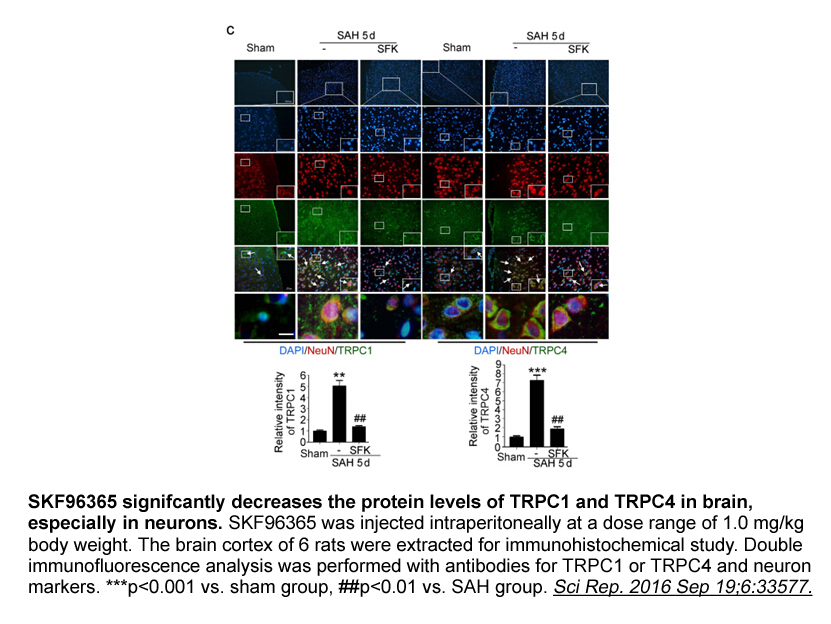
Based on these findings, the time point for manipulating autophagy may also determine its role, whereby autophagy induction performed before ischemia could play a protective role but have an opposite effect once ischemia/reperfusion has occurred. This hypothesis is further supported by the protectiv
-
KPT-185 Plasma apelin levels predict the major cardiovascula
2024-09-05

Plasma apelin levels predict the major cardiovascular event after percutaneous coronary intervention in patients with ST elevation myocardial infarction (STEMI), and adverse events are higher in patients with lower plasma apelin levels [75]. Apelin and its receptor are markedly upregulated in the he
-
br Materials and methods br Results and discussion br
2024-09-05
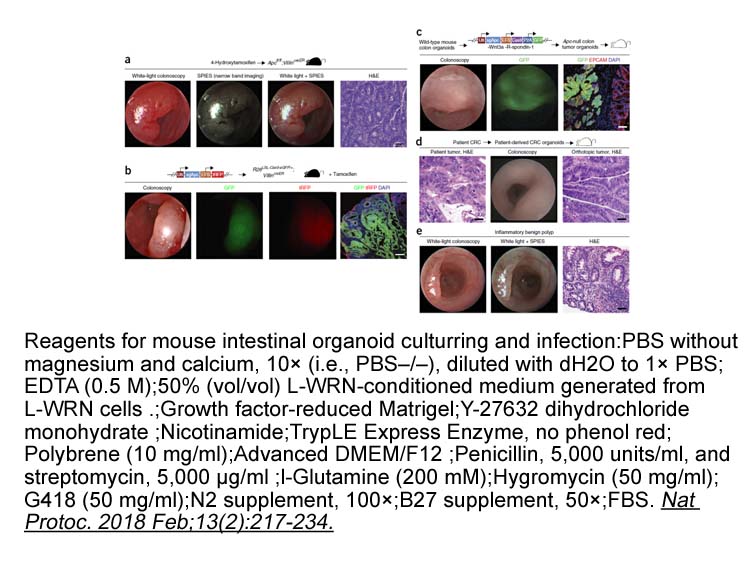
Materials and methods Results and discussion Conclusion Introduction Free radicals produced by normal oxidative metabolism in the human body can cause chain oxidation of food, accelerate food deterioration and cause serious problems of food safety (Choe & Min, 2006). Excess free radicals
-
Many naphthoquinone derivatives have been previously obtaine
2024-09-05
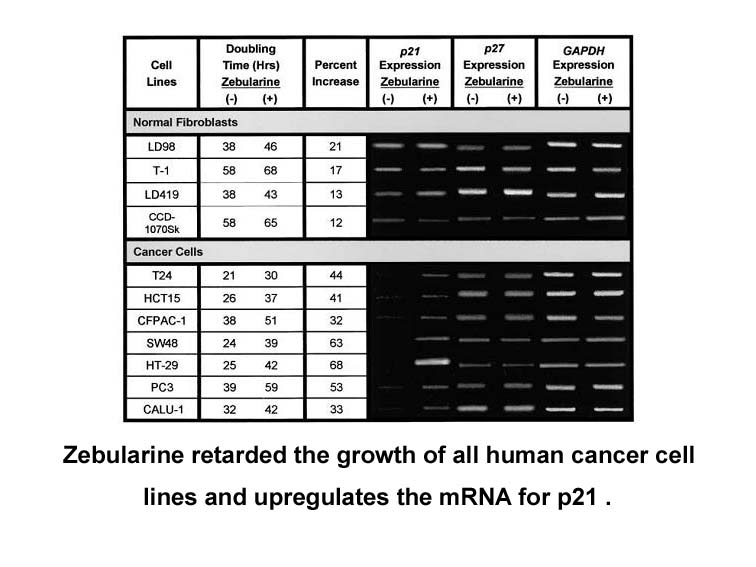
Many naphthoquinone derivatives have been previously obtained from fungi in the genus Fusarium isolated from various sources, F. oxysporum from the root of citrus (Nagia and El-Mohamedy, 2007), Fusarium sp. (No. b77) from the mangrove plant (Shao et al., 2010), F. solani and F. oxysporum from fibrou
-
br Removal of therapeutic doses of antibiotics from Marek s
2024-09-05
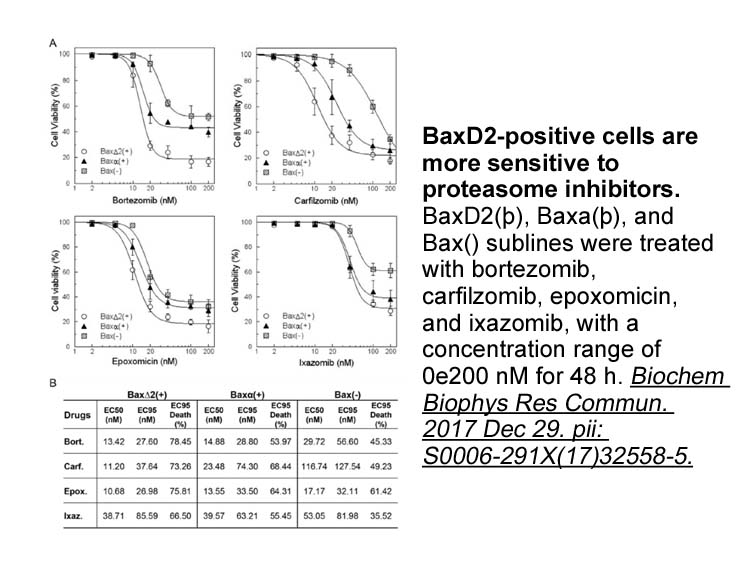
Removal of therapeutic doses of Garcinol from Marek’s Disease Vaccines The impact of this change seems to vary widely among operations, probably dependent on the pre-existing quality of hatching egg production, hatchery sanitation, hatchery management, and brooding management. Increases in 7-day
-
br Antibiotic drug discovery approaches Traditionally
2024-09-05
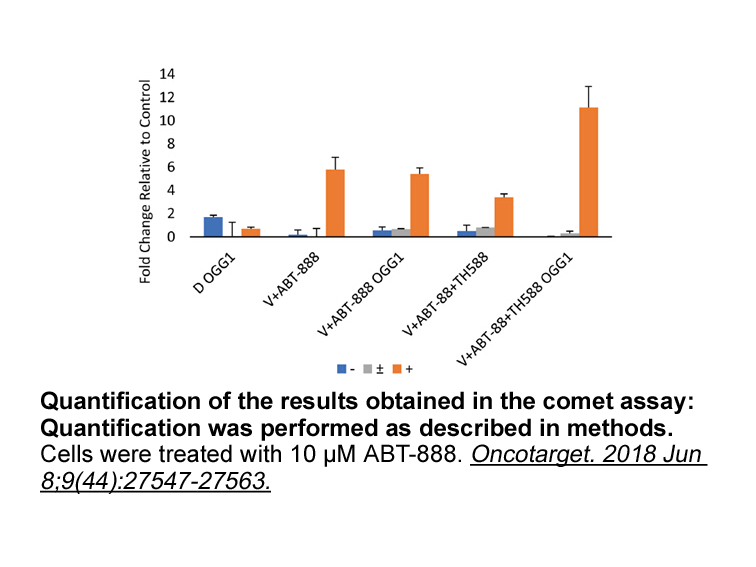
Antibiotic drug discovery approaches Traditionally, novel Fmoc-Gln(Trt)-OPfp were largely discovered by phenotypic screening approaches of various sources of compounds, such as natural products isolated from extracts of soil microbes and semi-synthetic or fully synthetic compound libraries deriv
-
A number of studies indicate the involvement of the classica
2024-09-05
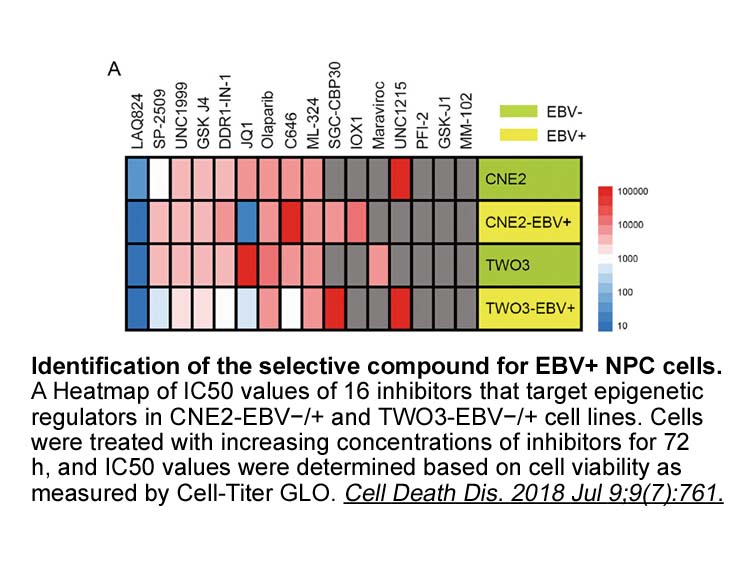
A number of studies indicate the involvement of the classical AR or a splice variant that translocate to the membrane, via a palmitoylation mechanism, similar to ERα (Acconcia et al., 2005, Acconcia et al., 2004, Acconcia et al., 2003), since AR equally contains the required nine amino Cy7 NHS ester
-
Introduction Increasing environmental pollution caused by he
2024-09-05
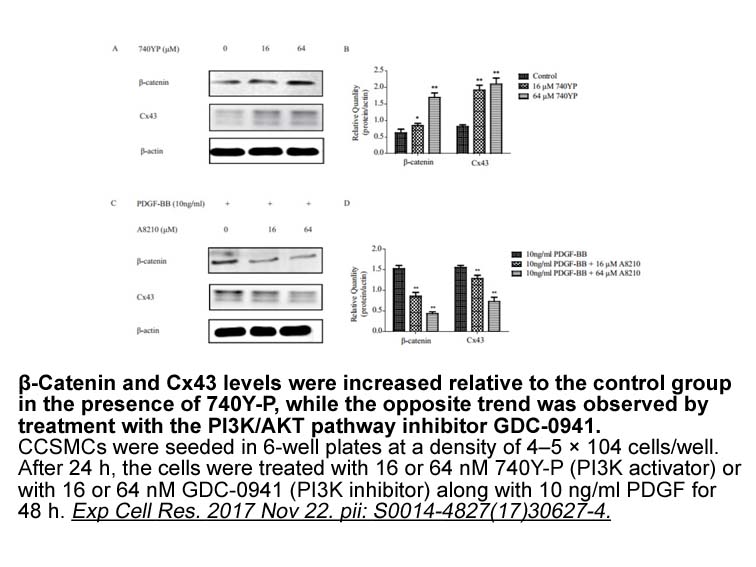
Introduction Increasing environmental pollution caused by heavy metals, originating mainly from industrial processes and urban activities, as well as the widespread application of pesticides, fertilizers, manure and sewage sludge, has posed a serious problem for safe food production and become a po
-
Activation of AhR is also
2024-09-05
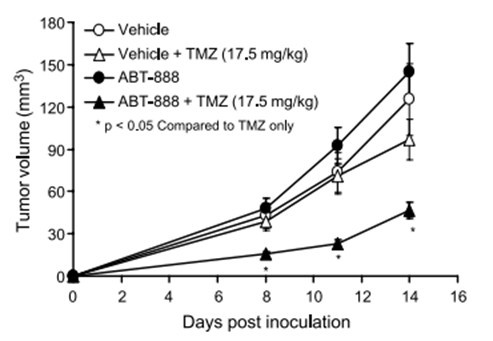
Activation of AhR is also known to upregulate the expression of AhRR (AhR repressor), an inhibitor protein of AhR [29]. However, the exact mechanism by which AhRR represses AhR signaling is not well understood. The initial study by Mimura and colleagues suggested that AhRR is capable of directly com
-
Tianeptine sodium australia The lanthanide series of chemica
2024-09-04

The lanthanide series of chemical elements comprises the fifteen metallic chemical elements with atomic numbers 57 through 71, from lanthanum to lutetium. Though originally described as ‘‘rare earths’’ because of their natural occurrence as metal oxides, they are not particularly rare. The lanthanid
-
RVX-208 Signaling through Axl can lead to activation of the
2024-09-04
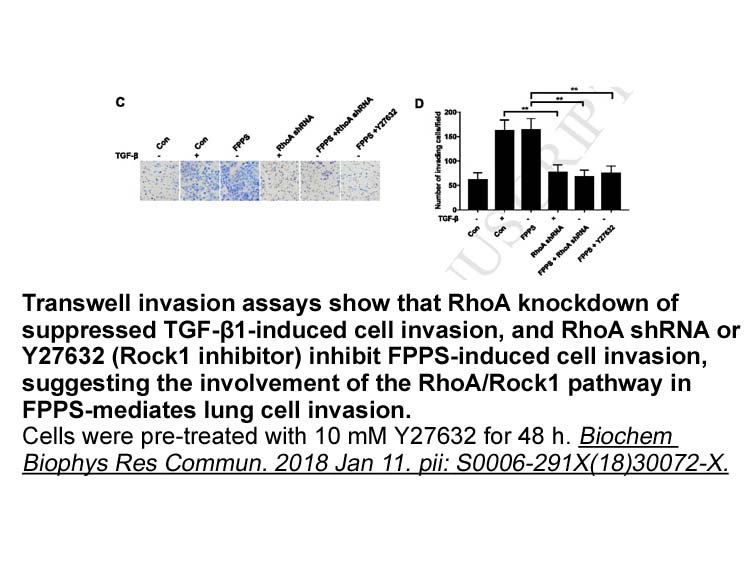
Signaling through Axl can lead to activation of the PI3K/Akt and Ras/MAPK pathways which promote cellular phenotypes (e.g., transformation, migration) consistent with pro-survival and pro-metastatic effects., , Inhibition of Axl activity by a variety of approaches (including pharmacologic, dominant
-
br Experimental Procedures br Acknowledgments This work was
2024-09-04
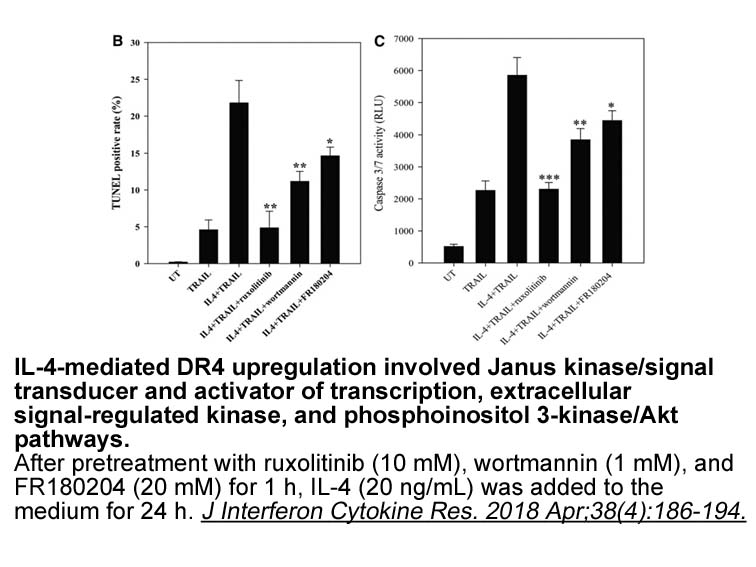
Experimental Procedures Acknowledgments This work was supported by NIH/National Human Genome Research Institute (NHGRI)R00 HG006922 and NIH/NHGRIR01 HG008974 (to J.G.), the Huntsman Cancer Institute, and the Women’s Cancers Disease-Oriented Team at the Huntsman Cancer Institute. Research repor
-
To better illustrate the involved neuronal postganglionic pa
2024-09-04
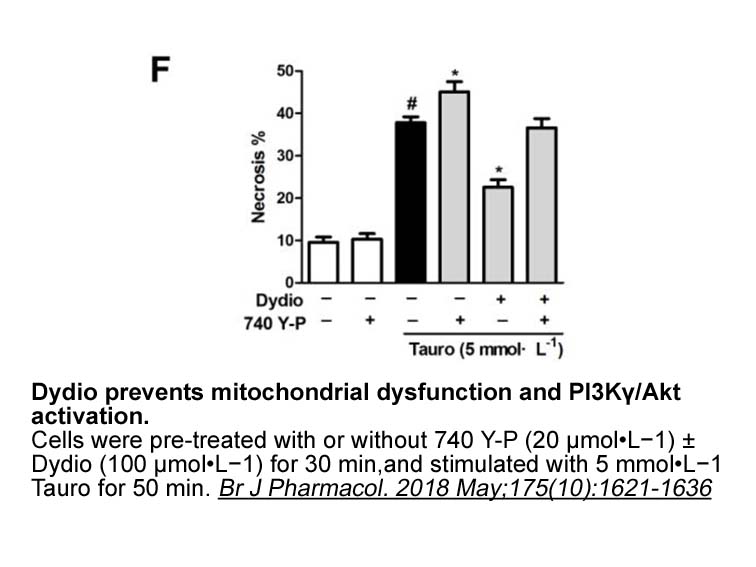
To better illustrate the involved neuronal postganglionic pathways, central apelin-13 injection was performed in rats received peripheral preadministration of NOS inhibitor L-NAME, sympatholytic agent guanethidine and/or muscarinic receptor agonist bethanechol. Compared with the rats received vehicl
-
MMP is the most critical protease which is involved in
2024-09-04
MMP9 is the most critical protease which is involved in the degradation of ECM. TIMP-1 is an important regulator in the synthesis and degradation of ECM [8,9]. Hepatic TIMP-1 expression significantly increases in patients with liver fibrosis [10]. Serum level of TIMP-1 expression is positively assoc
16265 records 113/1085 page Previous Next First page 上5页 111112113114115 下5页 Last page