Archives
- 2026-09
- 2026-08
- 2026-07
- 2026-06
- 2026-05
- 2026-04
- 2026-03
- 2026-02
- 2026-01
- 2025-12
- 2025-11
- 2025-10
- 2025-09
- 2025-03
- 2025-02
- 2025-01
- 2024-12
- 2024-11
- 2024-10
- 2024-09
- 2024-08
- 2024-07
- 2024-06
- 2024-05
- 2024-04
- 2024-03
- 2024-02
- 2024-01
- 2023-12
- 2023-11
- 2023-10
- 2023-09
- 2023-08
- 2023-06
- 2023-05
- 2023-04
- 2023-03
- 2023-02
- 2023-01
- 2022-12
- 2022-11
- 2022-10
- 2022-09
- 2022-08
- 2022-07
- 2022-06
- 2022-05
- 2022-04
- 2022-03
- 2022-02
- 2022-01
-
We also measured macrophage infiltration and CLS
2025-02-10
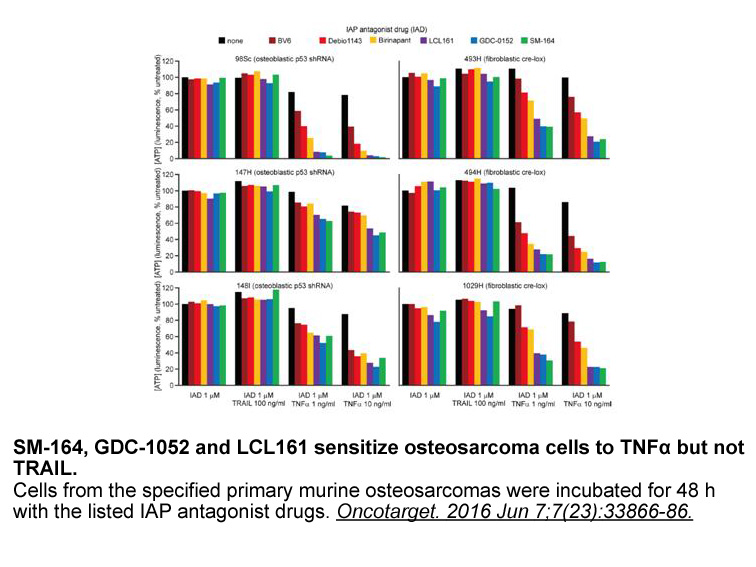
We also measured macrophage infiltration and CLS presence in peri-gonadal AT from db/db mice and controls. CLS are morphological features within AT that are accurate indicators of adipocyte death and macrophage infiltration [56]. An earlier study showed that CLS macrophages account for >90% of the t
-
Introduction Apoptosis signal regulating kinase ASK
2025-02-10

Introduction Apoptosis signal-regulating kinase 1 (ASK1), a family member of the mitogen-activated protein (MAP) kinase kinase kinase (MAP3K) family, selectively activates the JNK and p38 MAP kinase pathways in response to various types of stresses, including oxidative stress, and subsequently indu
-
Calcineurin has been established to be a ubiquitous Ca activ
2025-02-10
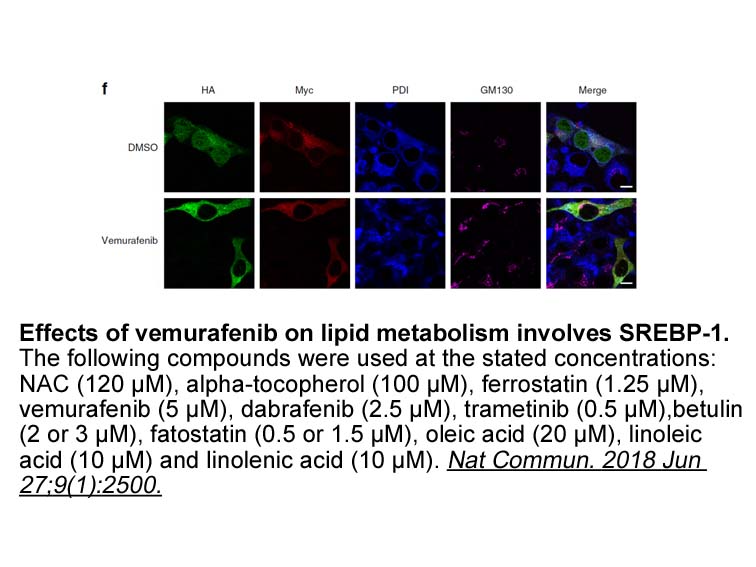
Calcineurin has been established to be a ubiquitous Ca2+-activated serine phosphatase in the nervous system (Pyrzynska et al., 2001). It has been reported that the activation of calcineurin protects aromatase from autophagy-mediated protein degradation, implying that calcineurin-dependent dephosphor
-
Protein arrays provide a new
2025-02-08
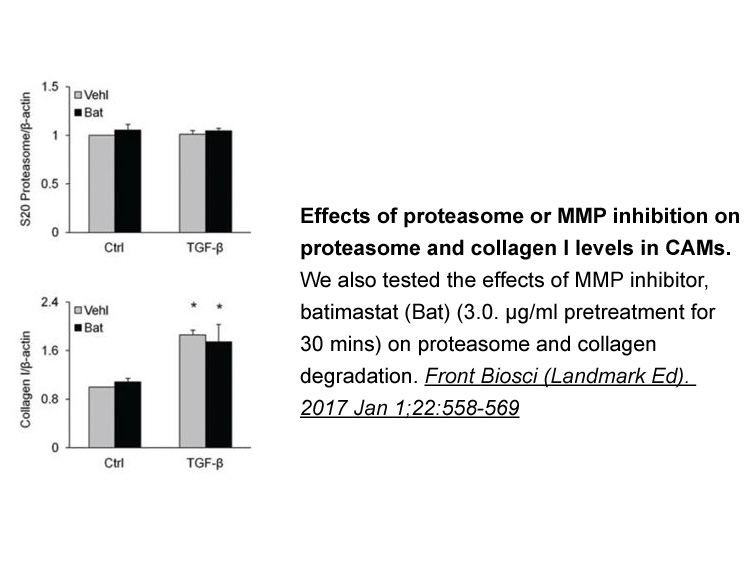
Protein arrays provide a new approach for the identification of substrates for several protein-modifying enzymes. For example, protein kinase substrate identification, which constitutes an important aspect of pathway mapping because of the prevalence of these substrates in biological pathways. MacBe
-
AMP activated protein kinase AMPK is composed
2025-02-08
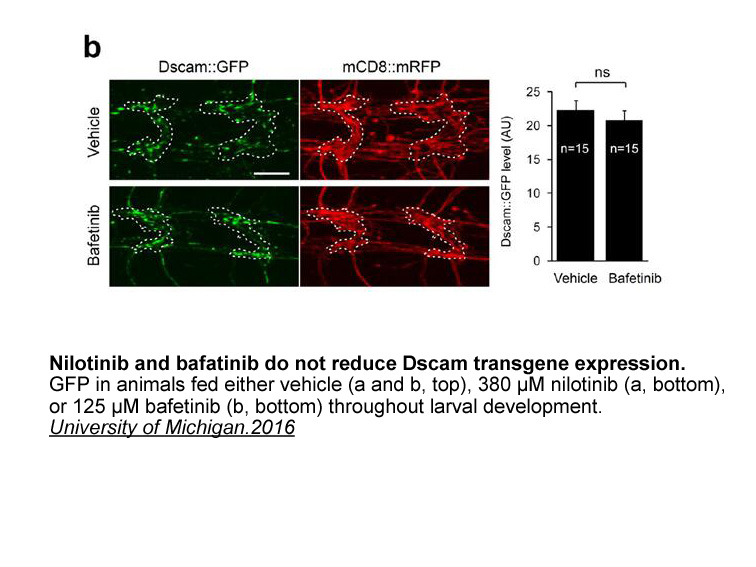
AMP-activated protein kinase (AMPK) is composed of α-, β-, and γ-subunits [17,18]. Phosphorylation of α-subunit at Thr-172 residue is essential for AMPK activation [17,18]. The serine/threonine kinase coordinates metabolic pathways in response to energy supply and demand [17,18]. Studies have shown
-
Neural activity resulting from sensory experience is
2025-02-08
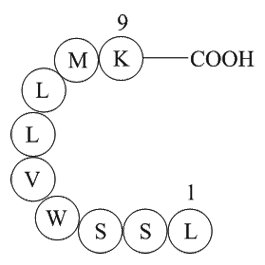
Neural activity resulting from sensory experience is required for the refinement and maturation of neural circuits during cortical critical periods. This refinement is thought to be important for functional optimization of primary sensory cortices, enabling critical functions such as feature detecti
-
Although only Leu CysAP IRAP Herbest
2025-02-08
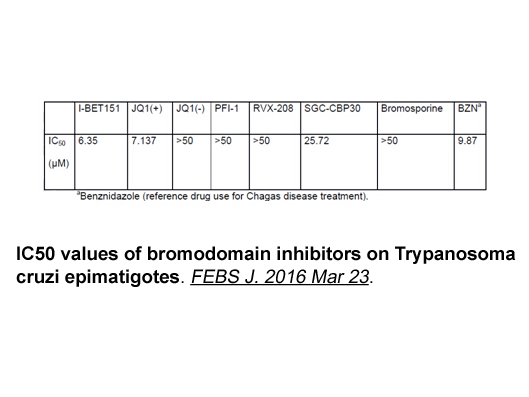
Although only Leu/CysAP (IRAP) (Herbest et al., 1997, Keller, 2004) and DPPIV (Alponti and Silveira, 2010, Kirino et al., 2009) had been identified and studied in adipocytes, our kinetic analysis suggested the highest physiological significance for AspAP (highest affinity) and APM and PSA (highest e
-
br Guava tea leaves inhibit leukocyte type lipoxygenase acti
2025-02-08
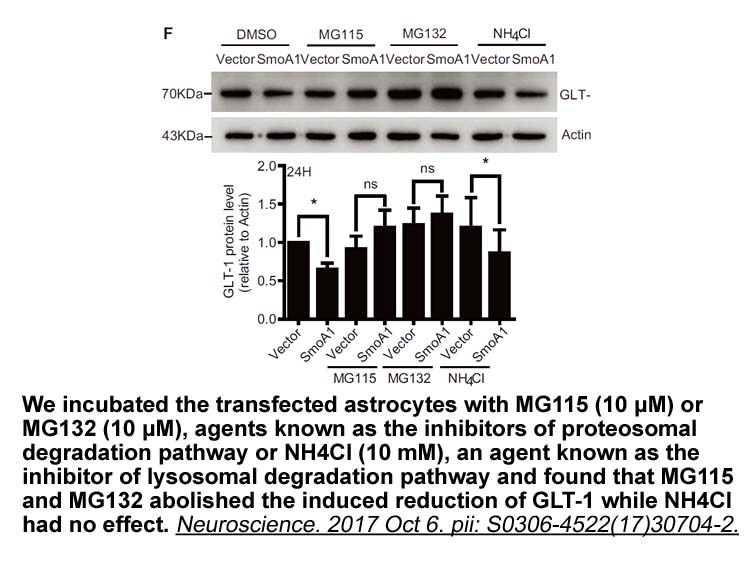
Guava tea leaves inhibit leukocyte-type 12-lipoxygenase activity Guava tea that is extracted from guava leaves contains a number of polyphenols, and is commonly taken as a dietary supplement. The extracts show a variety of beneficial effects such as antioxidative, anti-inflammatory and antiprolif
-
Caspase-4 fluorometric analysis The number of times an
2025-02-08

The number of times an animal reared was the only emotional behavior that was significantly higher in the young mice than in the middle-aged group. This may be explained by diminished curiosity or augmented ambulation with aging (Lalonde and Strazielle, 2008). A recent study showed that middle-aged
-
br Translational Considerations Targeting the AHR
2025-02-08
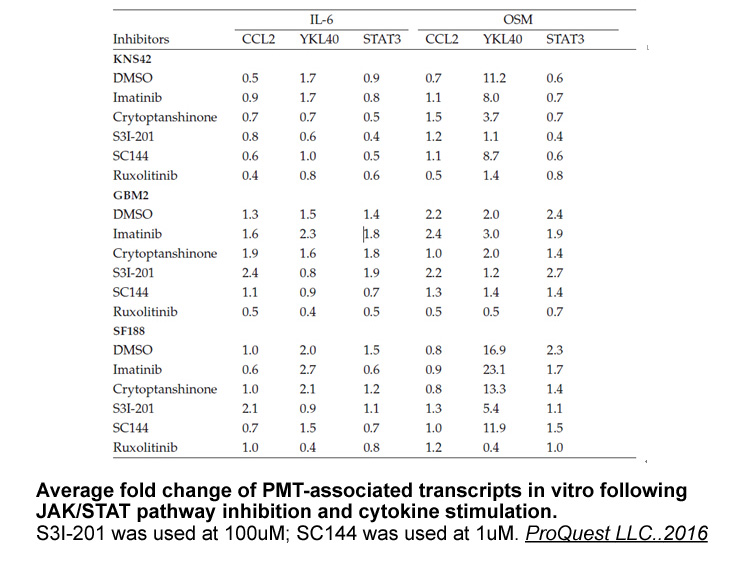
Translational Considerations Targeting the AHR Pathway Modulating AHR function offers exciting therapeutic potential in host immunity and inflammation. However, the emerging concept of AHR function in a cell type-specific manner, combined with differences between AHR activation in cell culture in
-
It could be hypothesized that the adiponectin system
2025-02-08
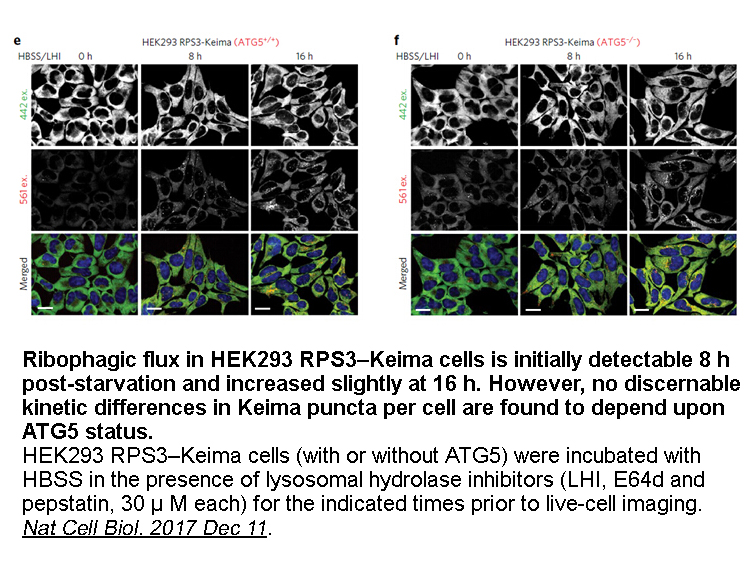
It could be hypothesized that the adiponectin system is regulated by gonadal steroid hormones. The lowest concentrations of adiponectin, AdipoR1 and AdipoR2 proteins in the endometrium and myometrium during the mid-luteal and late-luteal phases suggest that progesterone suppresses the expression of
-
Recent studies demonstrated FoxO a enhances the
2025-02-07
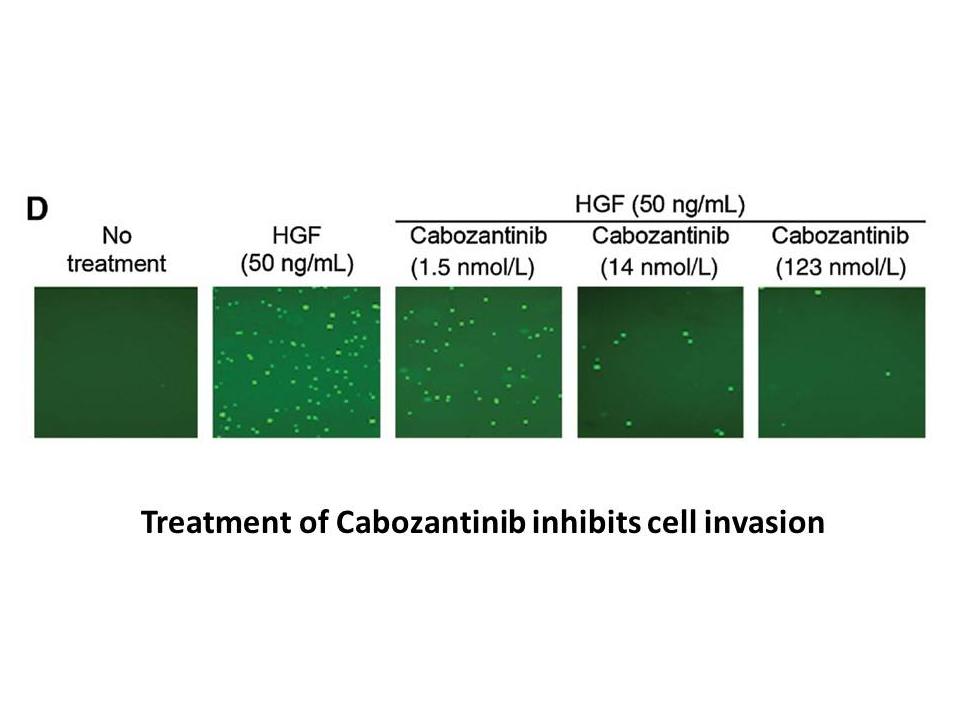
Recent studies demonstrated FoxO3a enhances the protective functions of autophagy in response to environmental stress , . FoxO3a coordinately activates autophagy by binding directly to the promoters of autophagy-related genes, including LC3, Gabarapl1, Beclin1, and Atg12 in atrophied skeletal muscle
-
br Conclusions br Acknowledgments br Introduction To die or
2025-02-07
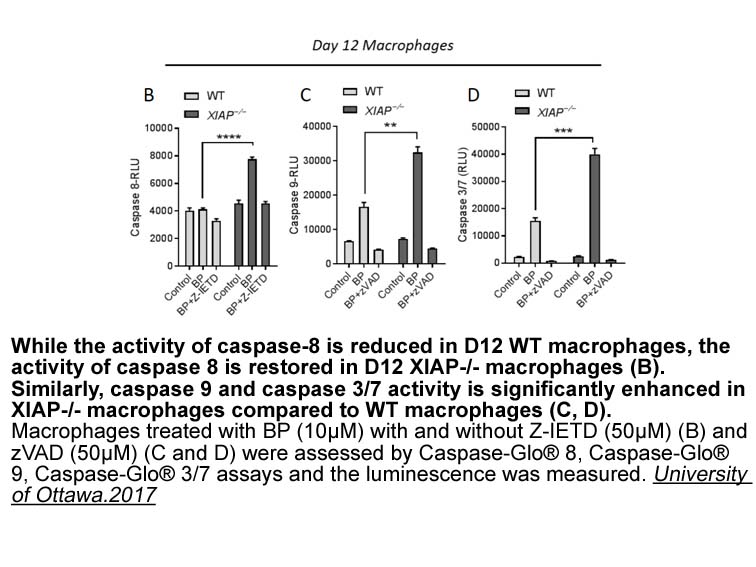
Conclusions Acknowledgments Introduction To die or not to die – that is the question. Christian de Duve created the word “autophagy” in 1960’s for the first time (Klionsky et al., 2016). The word “autophagy” was derived from the Greek roots “auto” (self) and “phagy” (eating) and referred to
-
Taking together findings from our study and that from the
2025-02-07
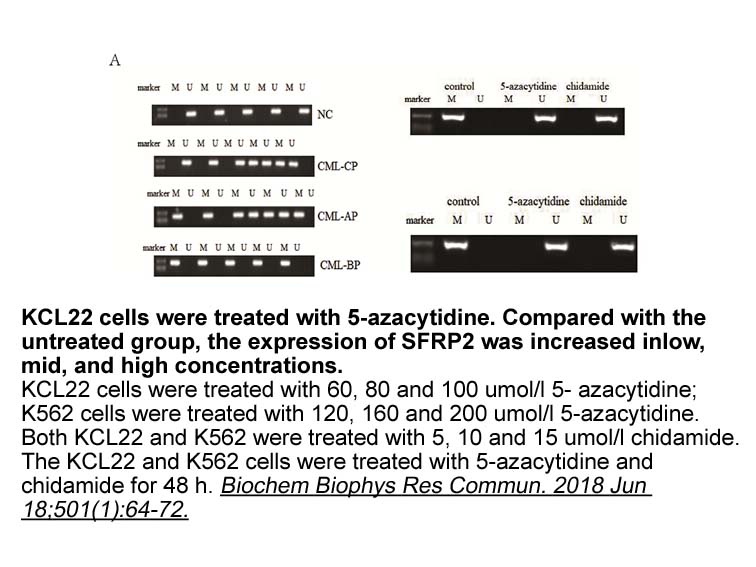
Taking together findings from our study and that from the literature, we propose a model (to be experimentally confirmed) of possible intracellular mechanism of NA-induced regulation of Na-K ATPase subunit expression (Fig. 8). NA acting on α1-AR modulates the α1- and α3-subunit expressions of Na-K A
-
AVL-292 synthesis Introduction The MMR system keeps the fide
2025-02-07
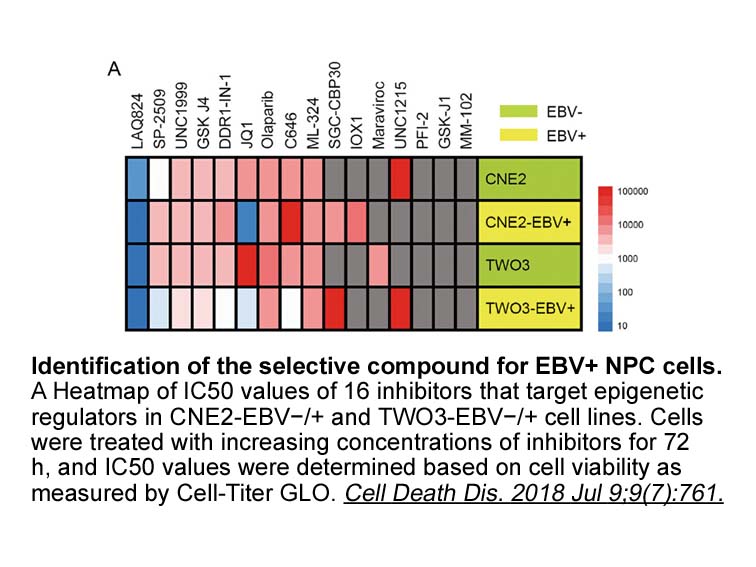
Introduction The MMR system keeps the fidelity of replication by repairing replication errors such as base-base mispairs and insertions/deletions. It plays a substantial role in restoring the fidelity of DNA and contributing to genome integrity [1]. The components of MMR are conserved in a broad ra
7970 records 48/532 page Previous Next First page 上5页 4647484950 下5页 Last page